Why Explicit Vocabulary Instruction Matters
Estimated reading time: 4 minutes

Vocabulary unlocks worlds. It shapes how children understand texts, express ideas and navigate the academic and social demands of school and beyond. As Alex Quigley argues, vocabulary is the vital currency of academic success, closely tied to life outcomes and social mobility. The more words a child knows and the more deeply they understand them, the more confidently they can access the full curriculum.
The Vocabulary Gap
The disparity between “vocabulary-rich” and “vocabulary-poor” children is well documented. Some pupils arrive at school having been immersed in talk, stories and wide reading. Others have had far fewer opportunities to build language. This isn’t a minor difference. It can amount to thousands of words. What’s more concerning is that the gap does not naturally close over time. The Oxford Language Report (2018, 2021) highlights that it tends to widen as children move through school. Without intervention, vocabulary-poor pupils fall further behind, not because they lack ability, but because they lack access to the language that underpins learning.
The Case for Explicit Vocabulary Instruction
Reading widely is essential for building vocabulary, but it cannot do the job alone. Marzano argues that direct, explicit vocabulary instruction is a critical component of helping students build the academic knowledge and skills they need to succeed. Many children, particularly those already disadvantaged, cannot rely solely on incidental exposure to learn the words they need for academic success. Research in language acquisition shows that readers need to understand at least 95% of the words in a text to make basic sense of it. For fluent, independent reading, especially with academic material, this rises to around 98%. This presents a challenge. To incidentally learn the unfamiliar 2–5%, pupils must already have a deep and secure understanding of the remaining 95–98%. Without explicit vocabulary instruction to build this strong foundation, many children simply cannot access texts well enough for incidental learning to occur.
What Does Explicit Vocabulary Instruction Look Like?
Explicit instruction involves teaching words directly and deliberately, rather than leaving them to incidental discovery. It goes far beyond simply introducing students to dictionary definitions. The goal is to help children develop a deep understanding of new vocabulary. This involves explaining meanings in everyday language, using words in meaningful contexts, making connections with related words, encouraging students to actively engage with new vocabulary and consolidating learning through repetition. In short, explicit vocabulary instruction is intentional, structured and designed to help students not just recognise words, but truly understand and use them confidently.
Choosing Words for Explicit Instruction
With over 171,000 English words in current use (Oxford English Dictionary), deciding which words to teach explicitly can feel overwhelming. Isabel Beck’s three-tier system provides a useful framework, categorising words based on their frequency, complexity and the contexts in which they appear. This helps teachers focus on the words that will have the greatest impact on students’ reading, writing and understanding across the curriculum.
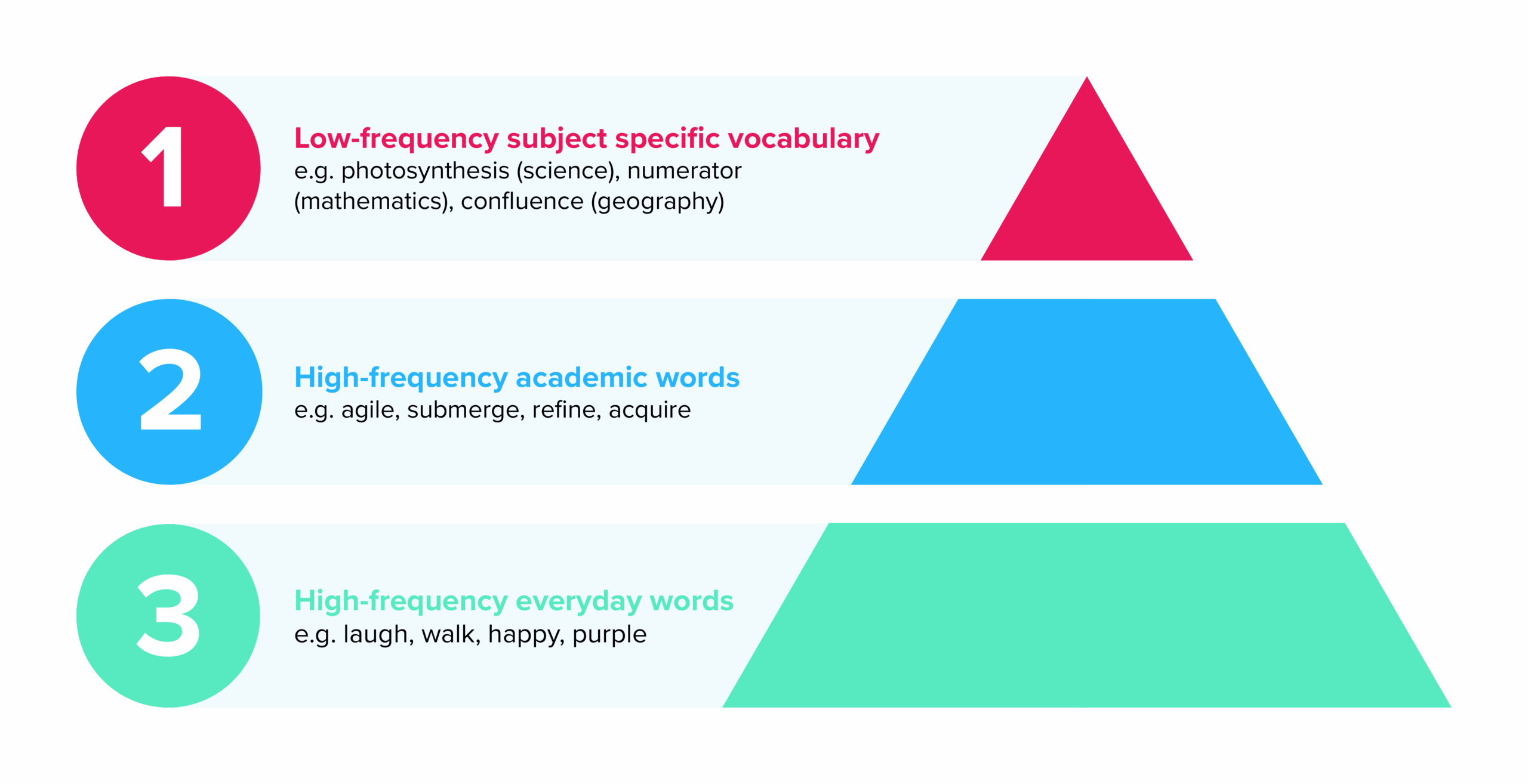
Of course, Tier 3 words should be taught in context as part of subject learning, but the primary focus of explicit vocabulary instruction should be Tier 2 words. These words are important because they enable students to express complex ideas, improve reading comprehension and transfer knowledge across different subjects. Beck emphasises that Tier 2 vocabulary requires direct, deliberate teaching, as students are unlikely to encounter many of these words naturally. For students from disadvantaged backgrounds, this challenge is even greater, as they tend to have fewer opportunities outside school to encounter the sophisticated language that supports academic success.
The Positive Spiral
Explicit instruction of Tier 2 vocabulary is a powerful lever for closing the vocabulary gap and equipping all students with the language they need to thrive academically. When children are equipped with the vocabulary to decode, infer, and understand, their reading fluency and confidence soar. They approach new texts with curiosity rather than anxiety, building confidence across all subjects.
This foundation enables them to acquire new words independently, access more demanding texts and fuel ongoing, self-directed learning. Over time, a rich vocabulary becomes a catalyst for a positive spiral: the more words you know, the more you can learn, the more confident and curious you become and the deeper your love of reading and learning grows. Explicit vocabulary instruction is therefore not just about teaching words. It unlocks lifelong curiosity, knowledge and opportunity for every learner.
Supporting Teachers
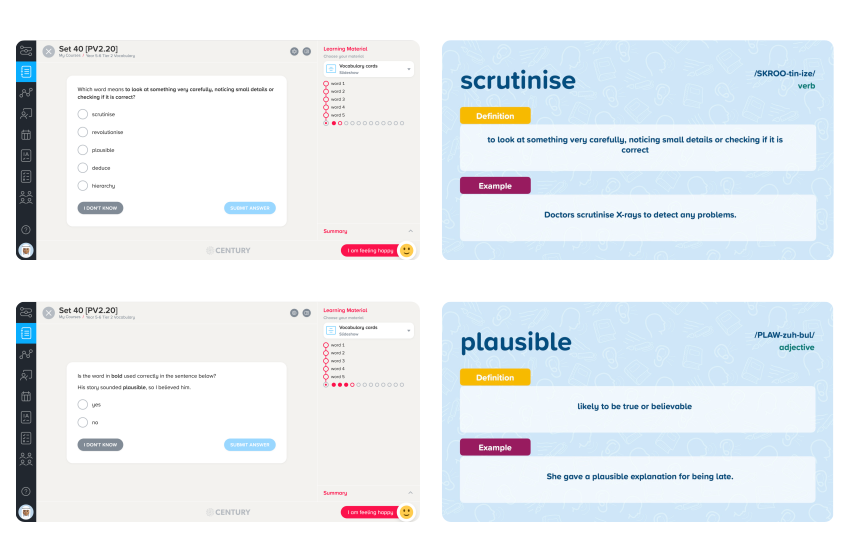
To support teachers in delivering high-quality, explicit vocabulary instruction, we have created a new Tier 2 Vocabulary course for Year 5 and 6 students. Designed to complement whole-class teaching, the course combines PDF vocabulary packs for class based discussion with CENTURY nuggets that reinforce learning through repeated exposure, contextual examples and retrieval practice. Following the principles of explicit instruction advocated by Beck and other leading researchers, each word is introduced with a clear definition and example sentences, then revisited in guided assessments. This structured approach ensures students not only recognise new words but understand them deeply, giving them the confidence to read with greater comprehension and to express themselves more effectively in their writing and speaking.
To learn more about CENTURY, reach out to our team and book a free demo of the platform today.
CENTURY in the news
View all News
-
News, Blog
17th February 2026
CENTURY Joins The Tutors’ Association
CENTURY Tech joins The Tutors’ Association (TTA). Discover how our AI powered teaching, learning and assessment platform supports tutors with personalised pathways and data-driven insights.
Read more
-
Case studies
5th February 2026
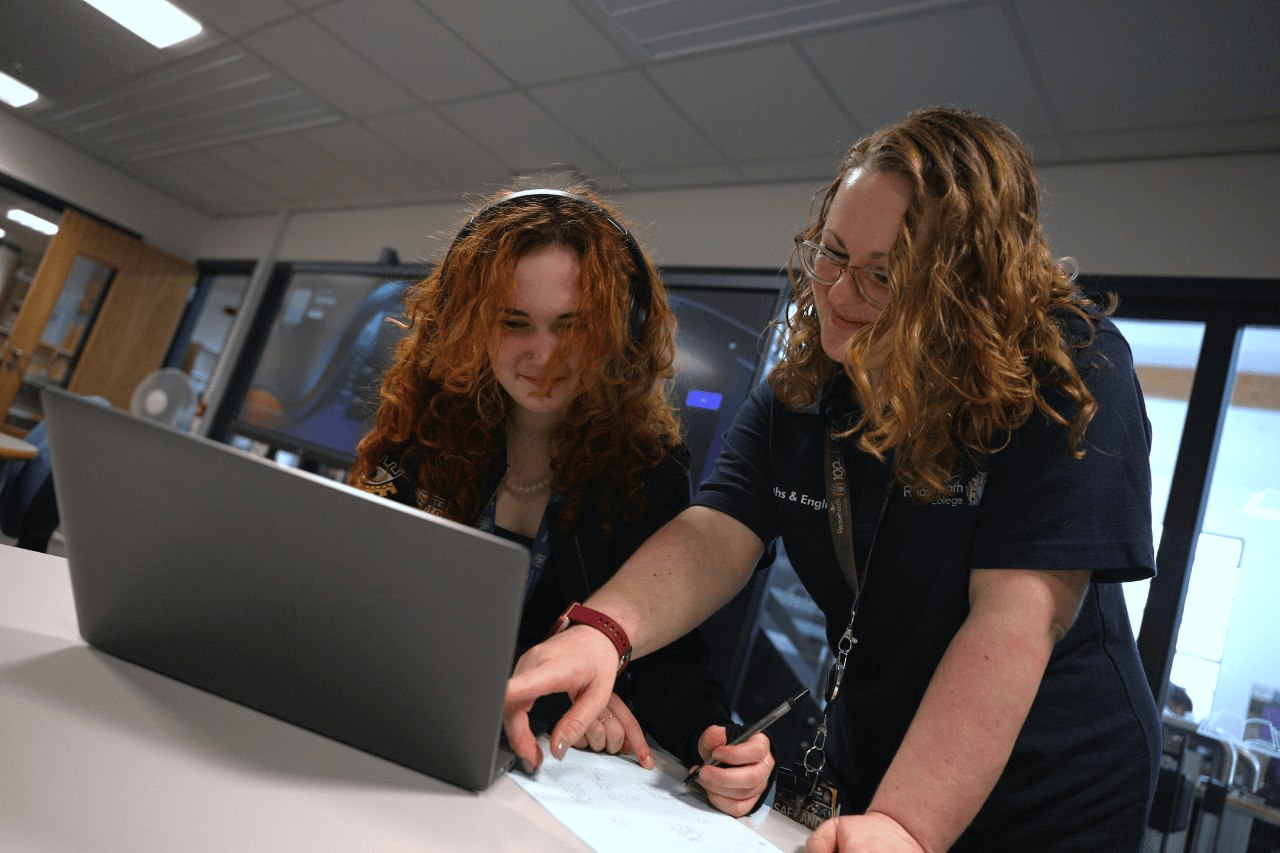
How Reaseheath College is driving FE engagement with technology
Reaseheath College shares how CENTURY is embedded into its curriculum to boost digital skills, increase learner engagement and support GCSE and Functional Skills students.
Read more